

Interest rates in Ontario might sound like an abstract economic topic – something for bankers and analysts to debate. But if you’re hoping to buy a home or investment property in Ontario, they have a very real impact on your life. Every rate change by the Bank of Canada ripples through mortgage markets, reshaping what buyers can afford, how much confidence they feel, and when they choose to act.
The Bank’s latest announcement on October 29 has set the stage for a new phase in Canada’s housing story – one that blends cautious optimism with opportunity. In this post, we’ll unpack what the decision means for buyers, how it might affect your next move, and why working with an experienced real estate professional can make all the difference in navigating it wisely.
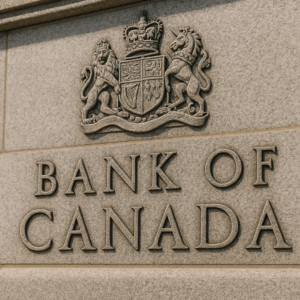
A Shift Toward Stability for Interest rates in Ontario
After months of speculation, the Bank of Canada lowered its key overnight rate by 0.25 percentage points, bringing it to 2.25%. That’s the first cut for interest rates in Ontario we’ve seen since the tightening cycle that dominated the last few years.
The Bank cited a mix of moderating inflation and slower economic growth as reasons for the change. While price pressures have eased from their post-pandemic peaks, the economy is still grappling with subdued business investment and weaker export demand. The Bank’s goal was to provide measured relief without fueling another inflation surge.
The message from the Bank was clear: it’s not signaling a full-blown rate-cutting cycle, but it does believe the current level of interest rates in Ontario is “about right.” For households that have been squeezed by higher borrowing costs, that message offers a welcome sense of stability heading into the end of the year.
Why Interest Rates Matter So Much to Homebuyers
Every mortgage in Canada is influenced, directly or indirectly, by the Bank of Canada’s policy rate. When the Bank adjusts the benchmark for interest rates in Ontario, commercial lenders follow suit by changing their prime lending rate – the foundation for most variable-rate mortgages.
When interest rates in Ontario rise, your borrowing power shrinks. A family that qualified for an $800,000 mortgage two years ago might have seen that number drop by $100,000 or more as rates climbed. On the other hand, when rates fall, affordability improves. Monthly payments decrease, and some buyers regain purchasing power they thought was gone for good.
This is particularly meaningful in Ontario, where average home prices remain among the highest in the country. Even a small rate reduction can have a noticeable effect on how far your budget stretches – especially for first-time buyers balancing mortgage payments with other rising costs.
The Impact on Variable vs. Fixed Mortgages
If you currently hold – or are considering – a variable-rate mortgage, this rate cut should bring some immediate relief. Because variable rates move in tandem with prime, you may see your monthly payment dip or a larger portion of your payment going toward the principal. It’s not a dramatic change, but after years of increases, even a modest reduction feels like breathing space.
For fixed-rate mortgages, the connection is less direct but still important. Fixed rates are influenced by government bond yields, which move based on market expectations of where future rates are heading. When the Bank of Canada signals that it’s done raising rates – or might even cut again – bond yields often decline, creating downward pressure on fixed mortgage rates.
That means that over the next few weeks, lenders may begin offering slightly more competitive fixed-rate options, particularly for shorter-term loans. For buyers who value payment stability, that could be an ideal window to lock in.

The Psychological Effect: Confidence Returns
Beyond the numbers, changes to interest rates in Ontario shape how people feel about the market. Over the past year, rising rates discouraged many buyers who feared that higher monthly payments would stretch them too thin. Some postponed their plans entirely, waiting for signs that conditions might improve.
This October announcement could be that sign. A small rate cut, paired with the Bank’s “steady for now” message, creates a sense that the worst may be behind us. That perception alone can boost buyer confidence, which in turn can reinvigorate demand.
When buyers feel more certain about where rates are headed, they’re more likely to act decisively. This confidence can lead to increased competition for well-priced homes – especially in mid-range price brackets across Ontario’s cities and growing towns.
Regional Ripples: Ontario’s Diverse Market
It’s important to remember that Ontario is not a single housing market – it’s a collection of many, each moving at its own pace. In Toronto and Ottawa, where price points are higher, even small rate shifts can affect affordability in noticeable ways. In smaller communities such as Kingston, Peterborough, or Barrie, rate changes can influence demand more subtly but still meaningfully.
Lower borrowing costs tend to re-energize suburban and small-town markets, where buyers who were previously priced out of major centres look for value and lifestyle balance. In that sense, this October decision may contribute to a gradual uptick in activity across the province, particularly as we head into the traditionally quieter winter months.
What This Means for Real Estate Investors
For Ontario investors, a lower interest rate environment brings both opportunity and responsibility. Reduced borrowing costs can make certain properties cash-flow positive again, especially if rental demand remains strong. It’s not just about cheaper financing – it’s about positioning for the long term.
Investors should still analyze fundamentals like neighbourhood growth potential, employment trends, and local vacancy rates. Lower rates may slightly improve returns, but the key is sustainable strategy: choosing markets that can weather future fluctuations.
Lisa works closely with investors across Ontario to identify communities where the numbers align with lifestyle and long-term purchasing.

What Buyers Should Do Next
If you’re in the market to buy a home, this is the perfect moment to revisit your financing options. Start by speaking with your lender or mortgage broker about how this rate cut affects your pre-approval. Even a small shift could change your affordability range or open up new opportunities in areas that previously felt out of reach.
At the same time, keep your budget realistic. Interest rates in Ontario may have fallen slightly, but homeownership still comes with carrying costs, maintenance, and potential fluctuations in the years ahead. Think of this environment not as a signal to stretch your budget to the max, but as a chance to make a strong, sustainable decision.
A knowledgeable real estate agent can help you match your financial comfort zone with the right property options. Whether that means finding a starter home in a growing suburb or exploring a duplex with income potential, your strategy should start with education and end with confidence.
The Value of a Seasoned Realtor in a Changing Market
Interest-rate cycles can be confusing, but that’s exactly where the guidance of an experienced realtor becomes invaluable. The best agents do more than track listings – they understand how macroeconomic factors translate into everyday realities for buyers.
An agent like Lisa Awgu brings clarity to complex moments like this one. She helps you interpret the numbers, assess how they affect your purchasing power, and move strategically rather than emotionally. Her client-first approach ensures that every decision is grounded in your long-term goals, not short-term market noise.
Real estate is never just about timing the market – it’s about aligning your move with the right conditions and the right support.
Lisa’s Tip
Whenever you hear about changes to interest rates in Ontario, don’t just focus on whether it went up or down. Look at what the Bank of Canada is saying about the future. Are they confident inflation is under control? Are they hinting at more cuts – or warning that this could be the bottom? Those cues often matter more than the number itself.
Understanding the story behind the announcement helps you make smart, strategic decisions instead of reactive ones. And if you’re unsure how to interpret it all, that’s exactly where your agent can guide you – translating economic shifts into real-world advice tailored to your situation.
Moving Forward with Confidence
The October interest-rate decision marks a turning point – a sign that the aggressive tightening of recent years has given way to balance. For buyers, that means more manageable payments and renewed optimism. For investors, it offers a chance to refine strategy and capture value while conditions are favourable.
The key takeaway is this: while you can’t control interest rates, you can control how you respond to them. With the right knowledge and a trusted professional by your side, you can make choices that not only fit today’s market but set you up for success tomorrow.
If you’re ready to understand what this rate change means for your Ontario home or investment goals, connect with Lisa Awgu today. She’ll help you make sense of the numbers, plan your next step, and move forward with confidence in any market.