
So You’ve Saved for a Down Payment – What’s Next?
You’ve worked hard, saved diligently, and finally reached that exciting moment – you’re ready to buy your first home or investment property in Ontario. It’s a milestone worth celebrating, but before you start scrolling through listings or booking showings, there’s something important to understand: the hidden costs of buying a home.
Many first-time buyers and even experienced investors are surprised to learn how many additional expenses and come along with homeownership. From land transfer taxes to inspection fees, insurance premiums, and maintenance costs, these hidden costs of buying a home can add thousands to your purchase price if you’re not prepared.
At Lisa Awgu Real Estate, we believe that knowledge is power. By understanding these hidden costs of buying a home upfront, you’ll feel confident, financially prepared, and ready to make informed decisions when the right property comes along.
1. Closing Costs: The Last Step Before You Get the Keys
Closing costs are the collection of fees and charges that you pay when your home purchase becomes official. Think of them as the “final step” in your journey to ownership – and they often surprise buyers who aren’t expecting them.
Here’s what you should budget for:
- Legal Fees: A real estate lawyer ensures that your transaction is handled correctly, reviewing contracts, conducting title searches, and registering your property. Expect to spend between $1,500–$2,500.
- Title Insurance: This one-time cost protects you from potential ownership disputes or fraud. Most policies range from $250 to $400.
- Land Transfer Tax: One of the biggest costs, this tax is calculated as a percentage of your purchase price. If you’re buying in Toronto, note that there’s an additional municipal tax on top of the provincial one. You can estimate your cost using the Ontario Land Transfer Tax Calculator.
- Adjustments: These are reimbursements between buyer and seller for prepaid expenses like property taxes or utilities. They can add another few hundred dollars to your total.
Altogether, closing costs typically amount to 1.5% to 4% of your home’s purchase price. For a $700,000 home, that’s anywhere from $10,000 to $28,000 – a significant sum to plan for.

2. Home Inspection and Appraisal Fees: Your Safety Net
A home inspection is one of the smartest investments you can make before buying. An inspector evaluates the property’s structure, systems, and overall condition – identifying issues like foundation cracks, water damage, or electrical hazards that could cost you later.
- Typical cost: $400–$700, depending on property size.
- Optional add-ons: Radon or mold testing for older homes, which may add $200–$300.
If you’re financing your purchase, your lender may also require a professional appraisal to confirm the home’s market value. This usually costs around $300–$500 and helps protect both you and the bank from overpaying.
These hidden costs of buying a home feel like “extras,” but they can save you thousands in future repairs – and give you negotiating power if issues arise.
3. Mortgage Insurance, Property Insurance & Life Coverage
If your down payment is less than 20%, Canadian law requires mortgage default insurance through CMHC, Sagen, or Canada Guaranty. This protects your lender in case you default, but the cost is added to your mortgage principal.
Here’s how it breaks down:
- 5% down payment = 4% insurance premium
- 10% down payment = 3.1% insurance premium
- 15% down payment = 2.8% insurance premium
On top of that, you’ll need home insurance, which covers your property and belongings in case of fire, theft, or liability. Expect to pay $1,000–$2,000 per year depending on your home’s value and location.
Some buyers also choose mortgage life or disability insurance to protect their families from financial strain – something worth discussing with your advisor.
4. Ongoing Costs: Maintenance, Repairs, and Utilities
Owning a home is rewarding, but it also comes with continuous expenses that renters or pre-construction buyers often don’t think about.
Here’s what to expect:
- Utilities: Electricity, water, and heating bills will depend on home size and efficiency. Budget roughly $250–$400 per month.
- Property Taxes: These vary by city – from 0.6% to 1.2% of your property’s assessed value annually.
- Maintenance & Repairs: A good rule of thumb is to set aside 1% of your home’s value per year for upkeep. That means about $7,000 annually for a $700,000 home.
- Condo Fees (if applicable): Ranging from $400–$900 per month, these cover shared amenities, maintenance, and reserve funds.
Even newer homes will eventually need repairs – like replacing a roof, furnace, or water heater – so planning ahead prevents those costs from becoming financial shocks.
5. Renovations and Upgrades: From “Nice to Have” to “Need to Have”
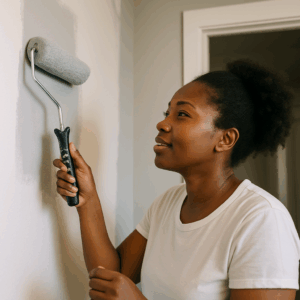
When moving into a new home, it’s tempting to personalize right away. Maybe you want new flooring, updated lighting, or a finished basement. While renovations can improve comfort and value, they also add to your short-term costs.
If you’re an investor, renovations are often essential – but timing is everything. You’ll need to budget not just for materials and labour, but also for lost rental income during renovations.
We often advise clients to set realistic priorities:
- Focus first on safety and structural needs.
- Next, address energy efficiency – think insulation, windows, or appliances that lower utility bills.
- Finally, consider aesthetic upgrades like a fresh coat of paint or interior design that enhances resale.
6. The Investor’s Lens: How Hidden Costs Affect ROI
For investors, understanding hidden costs of buying a home is essential for calculating your true return on investment (ROI). Every dollar you spend on closing, repairs, or maintenance affects your profit margins and cash flow.
Let’s look at a quick example:
If your rental property generates $2,500 per month but you spend $300 monthly on maintenance and $3,000 annually in taxes, that’s nearly $7,600 a year in expenses before even considering mortgage payments or vacancies.
This is why accurate budgeting – and working with a realtor who understands Ontario’s diverse markets – is critical. Lisa’s experience across the GTA, Ottawa, and smaller Ontario cities helps clients identify high-potential areas where costs are manageable and returns are steady.
7. Government Rebates and Incentives You Should Know
While the hidden costs of buying a home can add up, there are also several programs that can lighten the load for first-time buyers:
- First-Time Home Buyer Incentive: A shared-equity mortgage with the Government of Canada to help reduce your monthly payments.
- Home Buyers’ Plan (HBP): Allows you to withdraw up to $35,000 from your RRSP tax-free to use toward your down payment.
- Land Transfer Tax Refund: Ontario offers up to $4,000 back for eligible first-time buyers.
For full details, visit Ontario’s First-Time Home Guide or connect with Lisa to learn which options you qualify for.
8. How to Budget Realistically and Stay Prepared
The best way to approach the hidden costs of buying a home is to budget with a cushion. We recommend adding an extra 3–5% on top of your expected costs to cover unforeseen expenses.
For instance, if your target home price is $700,000, set aside an additional $21,000 to $35,000 for legal fees, taxes, and unexpected items.
Use this checklist before you make an offer:
- Have you included land transfer and legal fees in your budget?
- Do you know your property tax rate for your chosen area?
- Have you planned for at least six months of emergency expenses?
By being proactive, you’ll not only protect your investment but also reduce stress during the purchase process.
Lisa’s Tip
“A smooth closing day starts long before the paperwork. Buyers who understand their full financial picture can focus on finding the right home instead of worrying about hidden costs.”
– Lisa Awgu, Realtor®
Final Thoughts
Buying your first home or investment property is one of life’s biggest achievements – but it’s also a major financial commitment. By taking the time to understand the hidden costs of buying a home, you’ll avoid unpleasant surprises and make decisions that serve you for years to come.
Whether you’re buying in the GTA, Ottawa, or a growing Ontario town, Lisa Awgu Real Estate is here to guide you every step of the way. From navigating closing costs to finding properties with long-term potential, Lisa helps her clients plan ahead, buy smart, and build wealth through real estate.