
Space, Value, and Long-Term Livability
Barrhaven has earned its reputation as one of Ottawa’s most practical and family-oriented neighbourhoods, particularly for buyers who value space, schools, and everyday convenience over urban density. Located in the city’s southwest end, Barrhaven attracts households looking for room to grow, predictable neighbourhood planning, and a lifestyle built around daily routines rather than constant change.
What defines Barrhaven is its focus on livability. Homes are designed with functionality in mind, streets are laid out to support families, and amenities like schools, parks, recreation centres, and shopping hubs are deeply embedded into the community. For buyers, this translates into comfort and long-term usability. For investors, it signals stable demand from tenants who tend to stay longer and treat rental homes as places to live, not just temporary stops.
As part of a broader Ottawa west neighbourhoods guide, this deep dive into Barrhaven explores what it’s like to live here, how the housing market is structured, and how the Barrhaven rental market performs for buyers and investors planning beyond the short term.

Where Barrhaven Fits Within Ottawa
Barrhaven is located in Ottawa’s southwest end, bordered by Greenbank Road, Strandherd Drive, and the Rideau River. While it’s geographically farther from downtown than central neighbourhoods, Barrhaven functions as a largely self-contained community with strong transit connections and direct access to major roadways.
Many residents commute to downtown Ottawa, government campuses, and employment hubs across the city, while others work closer to home in healthcare, education, or retail. As transit infrastructure continues to expand in Ottawa’s south and west ends, Barrhaven remains well-positioned for long-term growth without sacrificing its suburban identity.
For buyers comparing locations, Barrhaven often stands out as a value-driven alternative to central neighbourhoods, offering more space at a lower price point while maintaining access to essential services.
The Overall Neighbourhood Feel
Barrhaven feels established, functional, and intentionally designed for families and long-term residents. Streets are wider, homes typically include driveways or garages, and neighbourhoods are built around schools, parks, and community centres rather than nightlife or tourism.
Daily life here is structured around routine – school drop-offs, sports practices, errands, and community activities. Parks and pathways are used regularly, and commercial areas are designed to handle everyday needs efficiently.
This focus on practicality is a key reason Barrhaven in Ottawa continues to attract buyers who are planning several life stages ahead, not just their next move.

Schools, Parks, and Community Infrastructure
Schools are a major driver of demand in Barrhaven, particularly for families planning to stay in the neighbourhood long term. The area offers access to a wide range of English, French, and Catholic school options, making it appealing to households with different educational preferences. Well-established schools such as John McCrae Secondary School and Longfields-Davidson Heights Secondary School serve much of the community, while Catholic options like St. Joseph High School and St. Mother Teresa High School attract families seeking faith-based education. At the elementary level, schools including Berrigan Elementary School and Half Moon Bay Public School are integrated directly into residential pockets, reducing commute times and reinforcing walkability for younger students.
Barrhaven is also known for its strong network of parks, sports fields, and recreation facilities, which play a central role in daily life rather than functioning as occasional amenities. One of the most prominent hubs is Walter Baker Sports Centre, a major community facility offering swimming pools, gyms, libraries, and organized programs for all ages. Surrounding parks and green spaces support everything from casual play to organized sports, and many neighbourhoods are designed so that parks are accessible within a short walk.
For buyers planning long-term, this concentration of schools and recreation supports both quality of life and resale value. For investors, proximity to recognized schools, large community centres, and established parks consistently strengthens tenant demand, particularly among families and professional renters looking for stability rather than short-term housing.
Housing Options and Market Characteristics
The housing landscape in Barrhaven real estate is defined by scale and consistency. Most homes were built from the 1990s onward, with ongoing development continuing to add newer options to the market.
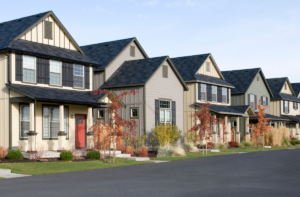
The majority of housing stock consists of freehold townhomes and detached single-family homes, supported by a smaller but growing mix of condo apartments and stacked townhomes. This variety allows Barrhaven to serve first-time buyers, move-up families, downsizers, and investors within the same broader market.
When browsing homes for sale, buyers will often notice practical floor plans, multiple bedrooms, finished basements, and attached garages – features that align closely with family-oriented demand.
A Practical Decision Guide for Buyers
Choosing the right property in Barrhaven often comes down to balancing budget, maintenance comfort, and long-term plans. Townhomes tend to appeal to first-time buyers and downsizers seeking lower purchase prices, while detached homes offer more space and flexibility for growing families.
Newer builds often command a premium due to modern layouts and reduced maintenance, while older homes may offer better lot sizes or established streetscapes. Condo and stacked town options can work well for buyers prioritizing lower upkeep, though they require careful review of fees and long-term costs.
Understanding how these factors intersect helps buyers make confident decisions in a market built around long-term ownership rather than short-term trends.
What Drives Competition in Barrhaven
Competition in Barrhaven is largely driven by functionality and value, not flash. Buyers tend to focus on homes that offer usable space and adaptability rather than high-end finishes alone.
Features that consistently increase buyer interest include finished basements that support recreation or home offices, well-designed main floors, adequate storage, and reliable parking. Attached garages and driveways are especially important for families managing busy schedules and winter conditions.
Newer homes and those requiring minimal immediate work often attract the strongest demand, particularly in well-established suburban pockets close to schools and amenities.
Barrhaven as a Long-Term Investment Market
From an investment perspective, Barrhaven is best understood as a stability-focused rental market. Rather than high turnover or speculative appreciation, the area attracts tenants who are looking for space, comfort, and continuity.
The typical renter profile includes young families, professional couples, and government employees who want more room than central condos offer but aren’t ready to purchase. Many renters stay for multiple years, which reduces vacancy risk and turnover costs.
The Barrhaven rental market tends to favour property types that mirror owner-occupier preferences. Investors often see strong performance from townhomes, newer condo units, and legal basement apartments within detached homes.
Key quality signals that protect long-term rental value include:
- Functional layouts with multiple bedrooms
- In-unit laundry
- Dedicated parking or garage access
- Proximity to schools, transit routes, and shopping
- Well-maintained finishes that reduce ongoing repairs
These features support tenant longevity and help properties remain competitive even as new supply enters the market.

Maintenance, Costs, and Long-Term Planning
Much of Barrhaven’s housing stock is relatively modern, which means maintenance tends to be more predictable than in older Ottawa neighbourhoods. Major systems are often within their expected lifespan, allowing buyers and investors to plan expenses more effectively.
For investors, this predictability supports steadier cash flow. For buyers, it reduces the likelihood of major surprise repairs early in ownership. Many homeowners also appreciate the flexibility to adapt spaces over time, whether that means finishing a basement or reconfiguring rooms as needs change.
Shopping, Transit, and Everyday Convenience
Barrhaven functions as a self-sufficient community. Large shopping centres, grocery stores, medical clinics, fitness facilities, and professional services are readily accessible throughout the neighbourhood, reducing reliance on long drives across the city.
Transit routes connect Barrhaven to other parts of Ottawa, supporting commuters and renters who rely on public transportation. As infrastructure continues to evolve in Ottawa’s south and west ends, Barrhaven remains positioned to benefit from improved connectivity while maintaining its suburban character.
Is Barrhaven the Right Fit?
Barrhaven tends to appeal most to buyers and investors who value space, schools, and long-term livability over proximity to nightlife or dense urban environments. It may not suit those seeking historic homes or walkable entertainment districts, but for families and renters prioritizing comfort and routine, it remains one of Ottawa’s most dependable neighbourhoods. If you’re wondering if Barrhaven is the right fit for you or your family, connecting with a local real estate agent who specializes in the area is a great next move to kickstart your planning.
Buyers and investors often use neighbourhood guides like this one to compare Barrhaven with other Ottawa west neighbourhoods before narrowing their search and refining their strategy.
Lisa’s Tip 💡
In Barrhaven, practical space consistently outperforms cosmetic upgrades. Homes with flexible layouts, finished basements, and adequate parking tend to hold value better than larger homes with underused rooms – both for resale and long-term rental demand.