

A “Live-Here-Now” Neighbourhood That Still Makes Sense Long-Term
If you’ve ever walked along Queen Street East on a weekend and thought, “I could actually picture my life here,” you’re not alone. Leslieville has that rare combo of energy (buzzy cafés, independent shops, patios when the weather cooperates) and ease (tree-lined side streets, parks within a few minutes’ walk, and a very “we know our neighbours” feel). It’s the kind of place that works for people who want to enjoy their day-to-day life now, while still making a smart long-term move – whether that’s as a buyer planning to stay put for a while, or as an investor thinking about steady tenant demand.
Below is a practical neighbourhood guide you can use whether you’re buying your first home, moving up, or considering a rental property in Toronto.

The Leslieville Vibe: Why People Fall for It
Leslieville is often described as “walkable” and “family-friendly,” but that can sound like every neighbourhood marketing blurb ever – so let’s make it real. This is a community where errands feel doable on foot, where parks are part of the weekly routine, and where the local spots aren’t just “nice to have,” they’re actually used. A perfect example is the Leslieville Farmers’ Market, which runs year-round (outdoors at Greenwood Park in warmer months and indoors at the East End Food Hub in colder months). It’s one of those community anchors that makes the neighbourhood feel lived-in, not just lived-near.
When you want bigger nature energy without leaving the east end? You’re not far from waterfront trails and major green spaces like Tommy Thompson Park (Leslie Street Spit), which is jointly managed by TRCA and the City and is known for its natural habitat and wildlife.
Where Is Leslieville, Exactly?
Neighbourhood boundaries can be a little “Toronto-flexible” depending on who you ask, but Leslieville is generally recognized as an east-of-the-Don pocket, with commonly cited boundaries that include Gerrard Street (and the rail corridor) to the north, Coxwell to the east, Eastern Avenue to the south, and a western edge around the McGee/Empire area.
What matters for buyers and investors is less the technical line on a map and more the micro-location: are you closer to Queen East? On a quieter residential street? Near a park? Near transit? Those factors shape lifestyle and resale/rental performance.
The Housing Mix: What Buyers Actually Find Here
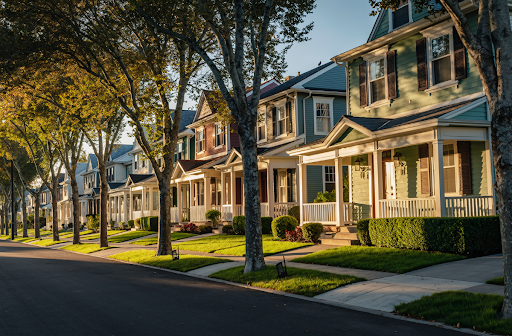
Leslieville’s housing stock is a big part of its appeal – especially if you’re someone who wants character without feeling like you’re taking on a full-time renovation hobby. You’ll commonly see:
- Renovated (or renovation-ready) semis and row homes on residential side streets
- Detached homes in certain pockets
- Select condo options and newer builds, especially closer to larger corridors like Eastern Avenue
In practical terms, that means there’s an entry point for different buyer types. First-time buyers often look for a smaller semi, a condo with a smart layout, or a property that has “good bones” and a realistic upgrade path. Move-up buyers tend to prioritize a bit more square footage, a finished basement, or a yard. Investors often focus on what will rent easily – more on that in a moment.
If you’re early in the process and want to build your search strategy (budget, must-haves, dealbreakers), your best starting point is your plan followed by browsing a few listings.
What Buyers Should Prioritize In Leslieville
This is a neighbourhood where the “little things” matter a lot. Two houses can be a few blocks apart and feel like totally different experiences. When you’re walking through properties, here are the big priorities I’d keep front and centre:
Layout and livability: In older Toronto homes, square footage doesn’t always equal function. Look for a main floor that flows, stairs that aren’t dangerously steep, and a basement that feels usable (even if unfinished).
Street and noise: Queen East is fun – living right on it is a different story. If you’re sensitive to sound or want easier parking, being one or two streets off the main strip can be the sweet spot.
Parking and outdoor space: If you drive, parking can shift from “nice bonus” to “daily sanity saver.” Even a small backyard or patio can add huge lifestyle value.
Condition and “invisible systems”: In Toronto’s older housing stock, the big-ticket items (roof, electrical, plumbing, heating/AC, insulation, foundation) matter as much as the kitchen aesthetic. If you’re budgeting, make sure you’re also thinking about the costs you don’t see at the first showing.
Transit and Getting Around: A Big Part of the Demand Story
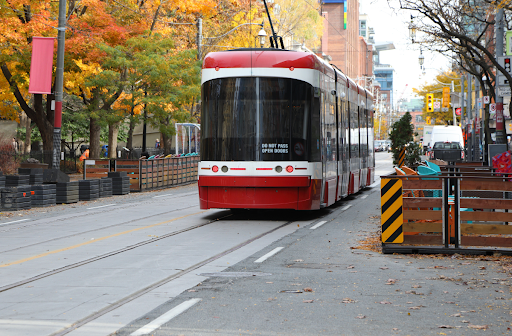
Leslieville works well for commuters and city-lovers because it’s connected. The TTC’s 501 Queen streetcar runs along Queen Street and operates all day, every day (with frequent service periods). You also have the 506 Carlton streetcar running along Gerrard Street East, again with all-day service and frequent service windows.
Lifestyle-wise, it’s also a strong biking/walking area – especially if you like being near the waterfront trail system. The City notes that the Martin Goodman Trail is part of the Waterfront Trail System and provides a long east–west route with multiple access points, including areas like Tommy Thompson Park and Ashbridge’s Bay Park.
The Investor Lens: Why Leslieville Can Be a Steady Performer
If you’re considering Leslieville investment property options, the appeal isn’t usually “cheap entry point” (it’s not), it’s the consistency. Tenants who choose Leslieville are often paying for a specific lifestyle: local amenities, east-end character, and a commute that doesn’t feel like a daily punishment.
Typical renter profile: young professionals, couples, and people who want a neighbourhood feel without leaving Toronto’s core orbit.
What tends to rent best: well-laid-out 1–2 bedroom condos, updated main-floor units, and clean, bright spaces that feel turnkey. If it’s a house, a finished basement (done properly) and in-unit laundry are big demand drivers.
Features that reduce vacancy: transit access, laundry, storage, secure bike storage, parking (where possible), and a layout that makes sense for real life (working from home, entertaining, etc.).
One Quick Checklist for Buyers + Investors
- Choose micro-location first: quiet side street vs main corridor, and walkability to Queen East amenities
- Confirm transit convenience (501 Queen and/or 506 Carlton proximity)
- Treat “invisible systems” as part of the price (roof, electrical, plumbing, HVAC, foundation)
- If investing: prioritize layout + laundry + storage + light – these reduce vacancy more than trendy finishes
- Budget for ongoing ownership costs (not just the down payment and mortgage)
- Know the tenancy rules you’ll be operating under in Ontario
A Few Watch-Outs (the Honest Part)
Every great neighbourhood comes with trade-offs. In Leslieville, the most common ones are:
1) Pricing premiums: You’re paying for lifestyle and location. That can still be worth it – but it means you need to buy with a plan and avoid overpaying for cosmetic upgrades that won’t matter in five years.
2) Renovation reality: Plenty of homes have been updated – but not all updates are equal. Sometimes a “pretty reno” hides old systems. Your inspection and due diligence are everything (especially if you’re stretching budget).
3) Older-home surprises: Even if you love character, be realistic about maintenance. If you want low surprises, you may lean condo. If you want a house, you’ll want to be extra intentional about condition and long-term budgeting.
If you’re newer to the process, it can also help to get your financing strategy right before you fall in love with a listing.
Who Leslieville Is Best for
Best fit if you’re a buyer: You want a neighbourhood you’ll actually use – walks, parks, coffee runs, patios, community events – and you’re choosing lifestyle as much as you’re choosing a property. You’re okay paying for location, as long as the home checks the boxes that matter (layout, street, condition).
Best fit if you’re an investor: You’re aiming for stable, lifestyle-driven rental demand in a neighbourhood with long-term appeal. You’re prepared to buy quality (or improve it thoughtfully) and you understand Ontario tenancy rules and real operating costs.
Lisa’s Tip
In neighbourhoods like Leslieville, the win is rarely “finding the cheapest home.” It’s choosing the right micro-location and the right layout – because those are the things that protect resale value and keep rental demand strong, even when the market gets noisy.
If you want help narrowing down the best pocket of Leslieville for your timeline and budget, you can connect with me here.