

You’ve decided to sell your home – maybe to upsize, downsize, or relocate to a new Ontario city. You know the market, you’ve checked recent sales in your neighbourhood, and now you’re wondering one of the most common (and stressful) questions sellers face:
Should I renovate before I sell – or just stage my home to make it look its best?
It’s a tough call. Renovations can add long-term value, but they take time and money. Staging, on the other hand, can transform your home’s appeal overnight – but how much does it really affect your sale price? This is what makes deciding between staging vs renovation a complex decision.
At Lisa Awgu Real Estate, we’ve helped sellers across Ontario find the right balance between Staging vs renovation. The truth is, both staging and renovations can pay off – but the key is knowing which improvements will bring the strongest return on investment (ROI) for your specific home, price point, and market.
Why ROI Matters More Than Ever
ROI – or return on investment – measures how much value you’ll gain back from every dollar spent preparing your home for sale. For instance, if you invest $10,000 in updates and your sale price increases by $8,000, your ROI is 80%.
But not all upgrades are created equal. A new kitchen might look beautiful, but if buyers in your area won’t pay extra for it, your return may not justify the expense. Meanwhile, a few cosmetic improvements and thoughtful staging could generate just as much buyer interest at a fraction of the cost.
Ontario’s real estate market in 2025 is competitive but selective. Buyers are cautious with higher borrowing costs, yet they’re still drawn to move-in-ready homes that feel fresh, stylish, and well cared for. That means ROI is about spending smart, not necessarily spending more.
Renovating for ROI: When Bigger Fixes Make Sense
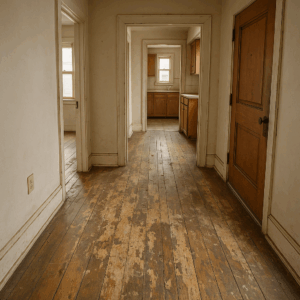
Renovations make sense when your home needs more than just a face-lift. If you have worn-out flooring, leaky plumbing, or dated kitchens and bathrooms, targeted upgrades can make a meaningful difference.
According to the Appraisal Institute of Canada, the projects that deliver the strongest ROI for sellers include:
- Kitchen remodels: 75–100% ROI
- Bathroom upgrades: 65–90% ROI
- Interior painting: 80–100% ROI
- Flooring replacement: 70–90% ROI
That doesn’t mean tearing your home apart. In fact, smaller “refresh” projects often yield higher returns because they enhance what’s already there rather than rebuilding from scratch. For example, repainting cabinets, updating hardware, or installing new light fixtures can modernize a kitchen for a few thousand dollars instead of tens of thousands.
In Ontario, demand is growing for homes that emphasise eco-friendly materials, natural textures and sustainable finishes – trends which reflect the broader move toward comfort, wellbeing and connection to nature.
Bathrooms are another area where minor improvements go a long way. Replacing outdated tile, adding a modern vanity, or upgrading to brushed nickel or brass fixtures can make the space feel clean and contemporary – something every buyer appreciates.
However, not every renovation pays off. Large-scale projects like basements or additions rarely provide a full return unless your home is in a high-end market. Before you commit, consider your goals: Are you fixing something that would deter buyers, or are you chasing perfection that only you might notice?
When in doubt about deciding between staging vs renovation, focus on the improvements that reduce buyer hesitation – anything that addresses visible wear, safety concerns, or energy efficiency. Those updates not only add value but also speed up your sale by reassuring buyers that the home has been well maintained.

Staging: The Emotional ROI Sellers Overlook
If renovations speak to buyers’ logic, staging speaks to their emotions – and emotions sell homes.
Professional staging helps buyers visualize how a home could look and feel once it’s theirs. It highlights flow, space, and lifestyle in a way that empty or cluttered rooms simply can’t. Even small staging adjustments, like rearranging furniture or adding neutral decor, can dramatically change how a space photographs and feels during showings.
According to the Real Estate Staging Association, staged homes typically sell 3 to 30 times faster and for 5–10% more than unstaged homes. For most sellers, that’s a much stronger ROI than almost any renovation project.
Staging isn’t about hiding flaws – it’s about helping buyers focus on what matters. A well-staged home feels welcoming, balanced, and fresh. The goal is to create an atmosphere where buyers immediately think, “I could live here.” Appealing to a buyer’s thought process is a key element in choosing between staging vs renovation.
In 2025, that feeling comes from warmth and character rather than perfection. Designers are embracing curved furniture, natural materials, and earthy tones to create inviting, grounded spaces. If your home feels cold or overly minimalist, a few organic elements – like woven textures, greenery, and layered lighting – can soften the look and make it feel current.
Even vacant homes benefit tremendously from staging. Empty rooms can feel smaller in photos and harder to visualize. Furnishing key spaces like the living room, kitchen, and primary bedroom gives buyers a sense of scale and purpose, increasing their emotional connection the moment they walk in.
Balancing Both: When Staging and Renovation Work Together
In many cases, the best results don’t come from deciding between staging vs renovation – they come from a blend of both. Think of renovations as the foundation – addressing wear, damage, or outdated finishes – and staging as the polish that makes those updates shine.
For example, let’s say your kitchen is structurally sound but dated. Instead of a full renovation, you could repaint the cabinets in a soft greige, replace laminate countertops with a quartz-look alternative, and swap old light fixtures for modern pendants. Once those updates are complete, staging can add warmth with wood accents, textured runners, and neutral decor.
This combination of staging and renovation compared to staging vs renovation is powerful because it speaks to both logic and emotion: buyers see the value of updated finishes and feel the comfort of a beautiful space.
By contrast, considering staging vs renovation and deciding to skip both, often means your home competes on price alone, which can lead to longer days on market and lower offers.
Understanding Market Context: What Works Best in Your Area
The right approach to considering staging vs renovation also depends on your local market.
In urban areas like Toronto, Mississauga, and Ottawa, where buyers expect move-in-ready homes, staging plays a crucial role in making your listing stand out. In these competitive markets, presentation can outweigh renovations, especially if your home’s systems are already in good shape.
In smaller cities or rural Ontario communities, where buyers are more value-driven, targeted renovations can help your property compete with newer builds. Fresh kitchens, updated bathrooms, and energy-efficient improvements often resonate strongly with these buyers, who may be less influenced by staging alone.
Timing matters, too. If you need to sell quickly, staging is faster and less disruptive. But if you have the time and your home truly needs work, investing in selective upgrades can lead to a stronger sale price down the road.
Budgeting for ROI: Spend Strategically, Not Emotionally
A successful sale isn’t about how much you spend, but where you spend.
Start with an honest assessment of your home’s current condition to compare the benefits of staging vs renovation. Walk through it as if you were a buyer: What would make you hesitate? What feels dated, dark, or cluttered? Those are your priority areas.
Next, set a budget that makes sense for your price range to back your deciding factors between staging vs renovation. For a $700,000 home, spending around 1–2% of your expected sale price (roughly $7,000–$14,000) on combined improvements and staging is often enough to make a noticeable impact without overspending.
It’s also wise to leave room for a few finishing touches between – fresh paint, new door hardware, modern light fixtures, or accent decor. These details photograph beautifully and make a strong first impression during showings and open houses.
If you’re unsure where your money will go furthest when contemplating staging vs renovation, talk to an experienced realtor before committing to any major projects. A local agent who understands buyer expectations in your neighbourhood can help you prioritize updates that actually move the needle.
Lisa’s Tip: Create Confidence and Connection
Buyers decide with their hearts, but they justify with their heads. That means your home needs to appeal to both.
Renovations create confidence – showing buyers that the home is well maintained and worth the price. Staging creates connection – helping them imagine their lives unfolding there.
The magic happens when you strike the right balance between the two.
If you’re preparing to sell and unsure where to start, reach out to schedule a consultation together. This way, we’ll identify which updates will deliver the best ROI for your home, and create a plan that maximizes your sale – without unnecessary stress or overspending.
When your home looks beautiful and feels cared for, buyers don’t just make offers – they compete for it.